





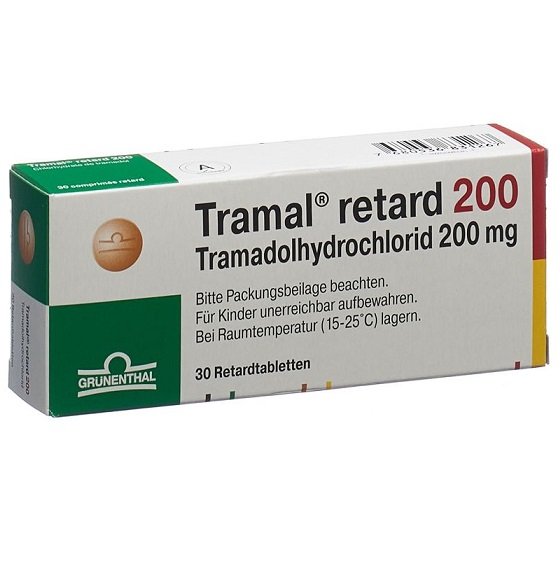
Tramadol
where to buy tramadol near me
Seek medical attention right away if you have symptoms of serotonin syndrome, such as agitation, hallucinations, fever, sweating, shivering, fast heart rate, muscle stiffness, twitching, loss of coordination, nausea, vomiting, or diarrhea.
Seizures have been reported in patients taking tramadol. Your risk of seizures is higher if you are taking higher doses than recommended. Seizure risk is also higher in those with a seizure disorder or those taking certain antidepressants or opioid medications.
You should not take tramadol if you have severe breathing problems, a head injury or increased pressure inside your skull, a blockage in your stomach or intestines, or if you have recently used alcohol, sedatives, tranquilizers, narcotic medication, or an MAO inhibitor (isocarboxazid, linezolid, methylene blue injection, phenelzine, rasagiline, selegiline, tranylcypromine, and others). Ultram ER should not be used if you are suicidal or prone to addiction.
Fatal side effects can occur if you use this medicine with alcohol, or with other drugs that cause drowsiness or slow your breathing. People taking extended-release forms of Ultram ER should not consume alcohol-containing beverages at the same time. Alcohol is also not advised with immediate-release forms of Ultram ER.
Serious allergic reactions, including anaphylaxis, have occurred with Ultram ER, some of which caused death. People who are allergic to other opioids are at higher risk. Other hypersensitivity reactions include itching, hives, narrowing of the airways, swelling of the face and airways (angioedema), and serious skin reactions such as Stevens-Johnson Syndrome. Get emergency medical help if you have signs of an allergic reaction to tramadol (symptoms include hives, difficulty breathing, swelling in your face or throat) or a severe skin reaction (fever, sore throat, burning in your eyes, skin pain, a red or purple skin rash that spreads and causes blistering and peeling).
Ultram ER extended-release capsules/tablets may complicate a healthcare provider’s clinical assessment of an acute abdominal condition. They should also not be used by people with liver or kidney disease.
Taking Ultram ER during pregnancy may cause life-threatening withdrawal symptoms in the newborn.
Tramadol should not be given to a child younger than 12 years old, or anyone younger than 18 years old who has recently had surgery to remove the tonsils or adenoids. Extended-release tramadol (Ultram ER) should not be given to anyone younger than 18 years.
Tramadol may cause drowsiness or affect your ability to drive or perform hazardous tasks. Do not perform these tasks if tramadol causes confusion, mental impairment, or drowsiness.
Tramadol can cause withdrawal symptoms if stopped suddenly after being taken for a long period of time. Symptoms may include restlessness, drug craving, anxiety, and sweating (see How long does tramadol withdrawal last?).
This is not a complete list of side effects, and others may occur. Call your doctor for medical advice about side effects. You may report side effects to the FDA at 1-800-FDA-1088.
Before taking this medicine
Do not take tramadol if you have:
- Severe asthma, trouble breathing, or other lung problems
- A bowel blockage or a narrowing of the stomach or intestines
- An allergy to tramadol
- Taken a Monoamine oxidase inhibitor (MAOI), which is a medicine used for depression, in the past 14 days (such as isocarboxazid, linezolid, methylene blue injection, phenelzine, or tranylcypromine)
- are pregnant or planning a pregnancy
- are breastfeeding.
Seizures have occurred in some people taking tramadol. Your seizure risk may be higher if you have ever had:
- a head injury, epilepsy, or other seizure disorder
- drug or alcohol addiction or
- a metabolic disorder.
To make sure tramadol is safe for you, tell your doctor if you have a history of:
- Head injury, seizures
- Problems urinating
- Liver, kidney, or thyroid problems
- Pancrease or gallbladder problems
- Abuse of street or prescription drugs, alcohol addiction, opioid overdose, or mental health problems.