Blog
What is Anxiety

What is anxiety?
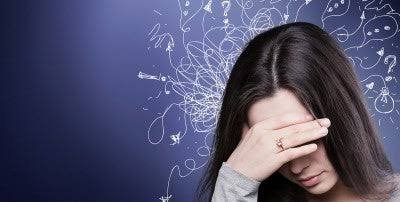
Anxiety is essentially your body’s natural “smoke alarm.” It is a feeling of unease, dread, or fear, usually regarding a future event or an uncertain outcome.
While it feels unpleasant, it’s actually an evolutionary survival mechanism designed to keep you alert. However, when the alarm goes off for no apparent reason or won’t shut off, it can become overwhelming.
The Three Layers of Anxiety
Anxiety isn’t just “all in your head”; it shows up in three distinct ways:
– Physical: Your brain triggers the “fight-or-flight” response, releasing adrenaline and cortisol. This leads to a racing heart, sweating, shallow breathing, or a “knot” in your stomach.
– Cognitive: This involves “what-if” thinking. Your mind begins racing, catastrophizing (expecting the worst), or obsessively scanning for potential threats.
– Behavioral: This often results in avoidance. You might skip a social event, procrastinate on a project, or develop small rituals to feel safer.
Stress vs. Anxiety
People often use these terms interchangeably, but there is a key difference:
– Stress is a response to an external threat (like a deadline or an argument). It usually goes away once the situation is resolved.
– Anxiety is internal. It’s the lingering reaction to that stress, often persisting even after the external threat is gone.
When Does it Become a Disorder?
Occasional anxiety is a normal part of life (like before a first date or a big presentation). It becomes a disorder when the feelings are:
– Out of proportion to the actual situation.
– Persistent (lasting months rather than days).
– Disruptive to your daily life, work, or relationships.
– A Quick Perspective: If you’re feeling anxious right now, remember that your body is trying to protect you—it’s just being a bit overzealous.
Treating anxiety is rarely a “one-size-fits-all” process. In 2026, the approach has become increasingly personalized, moving toward a blend of traditional talk therapy, modern technology, and in some cases rapid-acting medical breakthroughs.
Here is a breakdown of the most effective treatments available today:
1. Evidence-Based Psychotherapy
Talk therapy remains the “gold standard” because it gives you tools to manage anxiety long-term.
– Cognitive Behavioral Therapy (CBT): This helps you identify and “rewire” the negative thought patterns that trigger anxiety. It often includes Exposure Therapy, where you gradually face your fears in a safe environment to desensitize your brain’s alarm system.
– Mindfulness-Based Cognitive Therapy (MBCT): This combines CBT with mindfulness meditation. It’s particularly effective for preventing the “spiral” of anxious thoughts by teaching you to stay grounded in the present moment.
– Somatic Therapies: A major trend in 2026, these therapies focus on how the body holds stress. Techniques like breathwork, sensory awareness, and movement help calm the nervous system directly.
2. Medications
Medication can be a “bridge” that lowers your anxiety enough to make therapy more effective.
– SSRIs and SNRIs: Common antidepressants (like Zoloft or Lexapro) that are also effective for long-term anxiety management by stabilizing serotonin and norepinephrine.
– Fast-Acting “As Needed” Options: Traditional medications like benzodiazepines are still used, but newer options like Fasedienol (a nasal spray for social anxiety) are being used for quick relief with fewer systemic side effects.
– Emerging Breakthroughs (2026): Clinical trials for MM120 (a psychedelic-derived treatment for Generalized Anxiety Disorder) and Ketamine-assisted therapy are offering rapid, long-lasting relief for people who haven’t responded to traditional meds.
3. Technology & Neuromodulation
We are seeing a rise in “non-pill” biological treatments:
– At-Home Neuromodulation: Devices like ProlivRx (recently FDA-cleared) use gentle electrical stimulation to calm brain circuits associated with stress and mood.
– Virtual Reality Exposure Therapy (VRET): Therapists now use VR to create controlled, immersive environments to help patients face phobias or social anxiety safely.
4. Lifestyle & Self-Regulation
These are the foundational “maintenance” habits that keep the nervous system steady:
– Movement: Research continues to show that consistent exercise (even 20 minutes a day) is as effective as some medications for mild-to-moderate anxiety.
– Sleep Hygiene: Prioritizing 7+ hours of sleep is critical, as sleep deprivation mimics the physiological symptoms of anxiety.
– Substance Awareness: Reducing caffeine and alcohol is often the fastest way to lower your “baseline” heart rate and jitteriness.
Note: If you are feeling overwhelmed, it is always best to start by speaking with a primary care doctor or a licensed therapist to determine which of these paths is right for your specific biology and history.
When treating anxiety with medication, the goal is usually to “lower the volume” of the nervous system so that you can function more easily or engage more effectively in therapy.
As of February 2026, medication options are broadly categorized by how quickly they work and how they affect your brain chemistry.
1. Long-Term “Daily” Medications
These are the most common prescriptions. They don’t work instantly; they take 4 to 8 weeks to build up in your system and create a stable “floor” for your mood.
| Class | Common Examples | How it works |
| SSRIs | Zoloft (Sertraline), Lexapro (Escitalopram) | Increases serotonin levels to help regulate mood and worry. |
| SNRIs | Cymbalta (Duloxetine), Effexor (Venlafaxine) | Balances both serotonin and norepinephrine (energy/alertness). |
| Buspirone | BuSpar | A non-habit-forming option specifically for chronic worry (GAD). |
| Pregabalin | Lyrica | Often used “off-label” for anxiety; it calms overactive nerve signals. |
2. Fast-Acting “As Needed” Medications
These are used for acute moments of panic or high-stress situations (like a flight or a major public speaking event).
– Beta-Blockers (e.g., Propranolol): These don’t stop the thoughts of anxiety, but they block the physical adrenaline. They stop your heart from racing and your hands from shaking.
– Benzodiazepines (e.g., Xanax, Ativan, Valium): These are powerful sedatives that work within 30 minutes.
– A Note on Safety: In 2026, medical guidelines are very strict with “benzos” due to the risk of dependency and tolerance. They are generally only recommended for short-term use (2–4 weeks) or very occasional “emergency” use.
3. New & Emerging Treatments (2026)
Medical science has recently moved toward treatments that target different pathways:
– Fasedienol Nasal Spray: A new, fast-acting pherine spray designed specifically for Social Anxiety Disorder that works without the heavy sedation of traditional pills.
– MM120 (Psychedelic-derived): Following breakthrough trials, precisely controlled doses of psychedelic-based compounds (dissolving tablets) are being used in clinical settings to provide long-lasting anxiety relief after just one or two sessions.
– eCOT-AS Devices: FDA-cleared at-home “neuromodulation” devices (like ProlivRx) are now being prescribed as non-drug alternatives to calm the brain’s trigeminal nerve.
4. Over-the-Counter (OTC) & Supplements
While not a replacement for prescription meds for severe anxiety, these are often used for mild symptoms:
– Magnesium Glycinate: Helps relax muscles and supports the nervous system.
– L-Theanine: An amino acid found in green tea that promotes “alert relaxation.”
– Ashwagandha: An adaptogen herb that helps the body manage cortisol (the stress hormone).
Important: You should never start or stop anxiety medication without a doctor’s supervision, as many (especially SSRIs) require a “tapering” process to avoid withdrawal.