
Blog
What Is Diabetes?

What Is Diabetes?
Diabetes is a disease that occurs when your blood glucose, also called blood sugar, is too high. Glucose is your body’s main source of energy. Your body can make glucose, but glucose also comes from the food you eat.
Insulin is a hormone made by the pancreas that helps glucose get into your cells to be used for energy. If you have diabetes, your body doesn’t make enough—or any—insulin, or doesn’t use insulin properly. Glucose then stays in your blood and doesn’t reach your cells.
Diabetes raises the risk for damage to the eyes, kidneys, nerves, and heart. Diabetes is also linked to some types of cancer. Taking steps to prevent or manage diabetes may lower your risk of developing diabetes health problems.
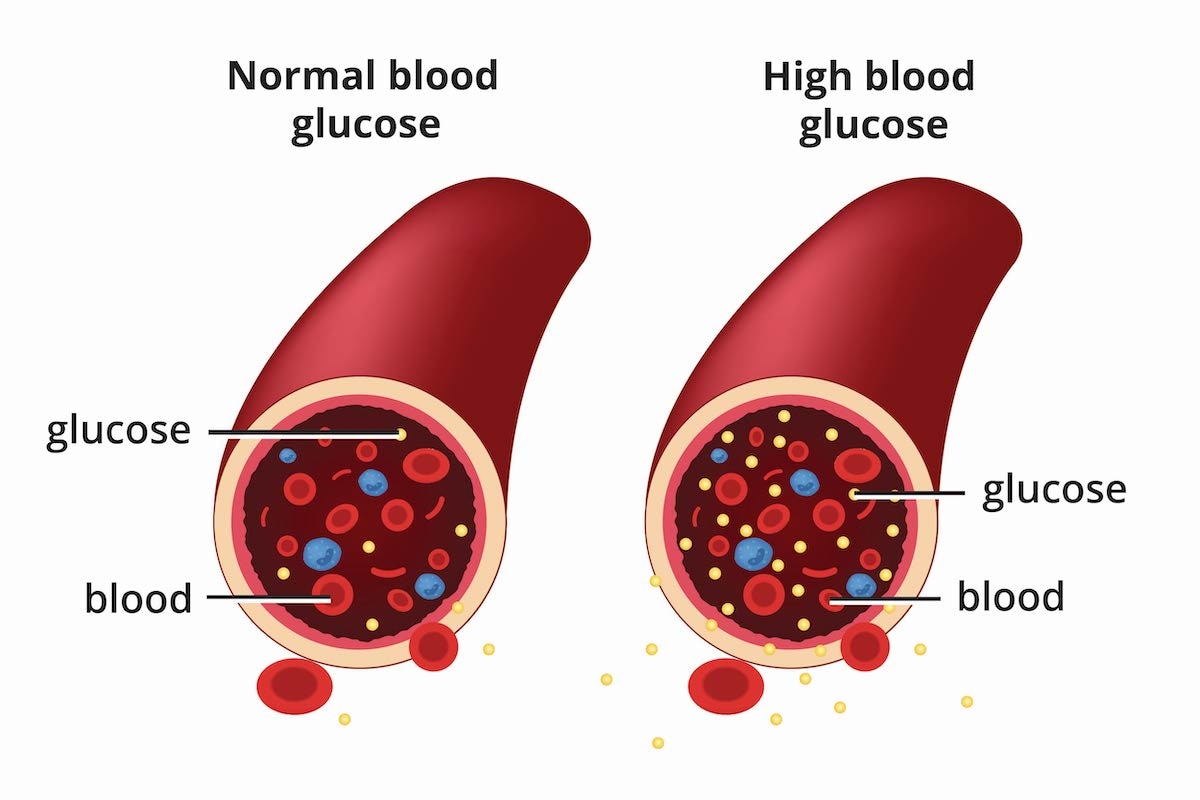 Diabetes is a disease that occurs when your blood glucose, also called blood sugar, is too high.
What are the different types of diabete?
The most common types of diabete are type 1, type 2, and gestational diabete.
Type 1 diabete
If you have type 1 diabetes, your body makes little or no insulin. Your immune system attacks and destroys the cells in your pancreas that make insulin. Type 1 diabete is usually diagnosed in children and young adults, although it can appear at any age. People with type 1 diabete need to take insulin every day to stay alive.
Type 2 diabetes
If you have type 2 diabete, the cells in your body don’t use insulin properly. The pancreas may be making insulin but is not making enough insulin to keep your blood glucose level in the normal range. Type 2 diabete is the most common type of diabete. You are more likely to develop type 2 diabete if you have risk factors, such as overweight or obesity, and a family history of the disease. You can develop type 2 diabete at any age, even during childhood.
You can help delay or prevent type 2 diabete by knowing the risk factors and taking steps toward a healthier lifestyle, such as losing weight or preventing weight gain.
Gestational diabete
Gestational diabete is a type of diabete that develops during pregnancy. Most of the time, this type of diabete goes away after the baby is born. However, if you’ve had gestational diabete, you have a higher chance of developing type 2 diabete later in life. Sometimes diabete diagnosed during pregnancy is type 2 diabete.
Prediabetes
People with prediabete have blood glucose levels that are higher than normal but not high enough to be diagnosed with type 2 diabete. If you have prediabetes, you have a higher risk of developing type 2 diabete in the future. You also have a higher risk for heart disease than people with normal glucose levels. http://oldfowl.fr
Other types of diabetes
A less common type of diabete, called monogenic diabete, is caused by a change in a single gene. Diabetes can also come from having surgery to remove the pancreas, or from damage to the pancreas due to conditions such as cystic fibrosis NIH external link or pancreatitis.
How common are diabete and prediabete?
More than 133 million Americans have diabete or prediabete.1
As of 2019, 37.3 million people—or 11.3% of the U.S. population—had diabete.1 More than 1 in 4 people over the age of 65 had diabete. Nearly 1 in 4 adults with diabete didn’t know they had the disease.2
About 90% to 95% of diabete cases are type 2 diabete.3
In 2019, 96 million adults—38% of U.S. adults—had prediabetes.4
What other health problems can people with diabete develop?
Over time, high blood glucose can damage your heart, kidneys, feet, and eyes. If you have diabetes, you can take steps to lower your chances of developing diabete health problems by taking steps to improve your health and learning how to manage the disease. Managing your blood glucose, blood pressure, and cholesterol levels can help prevent future health problems.