
buy Peptide for sale online [ buy peptide near me]
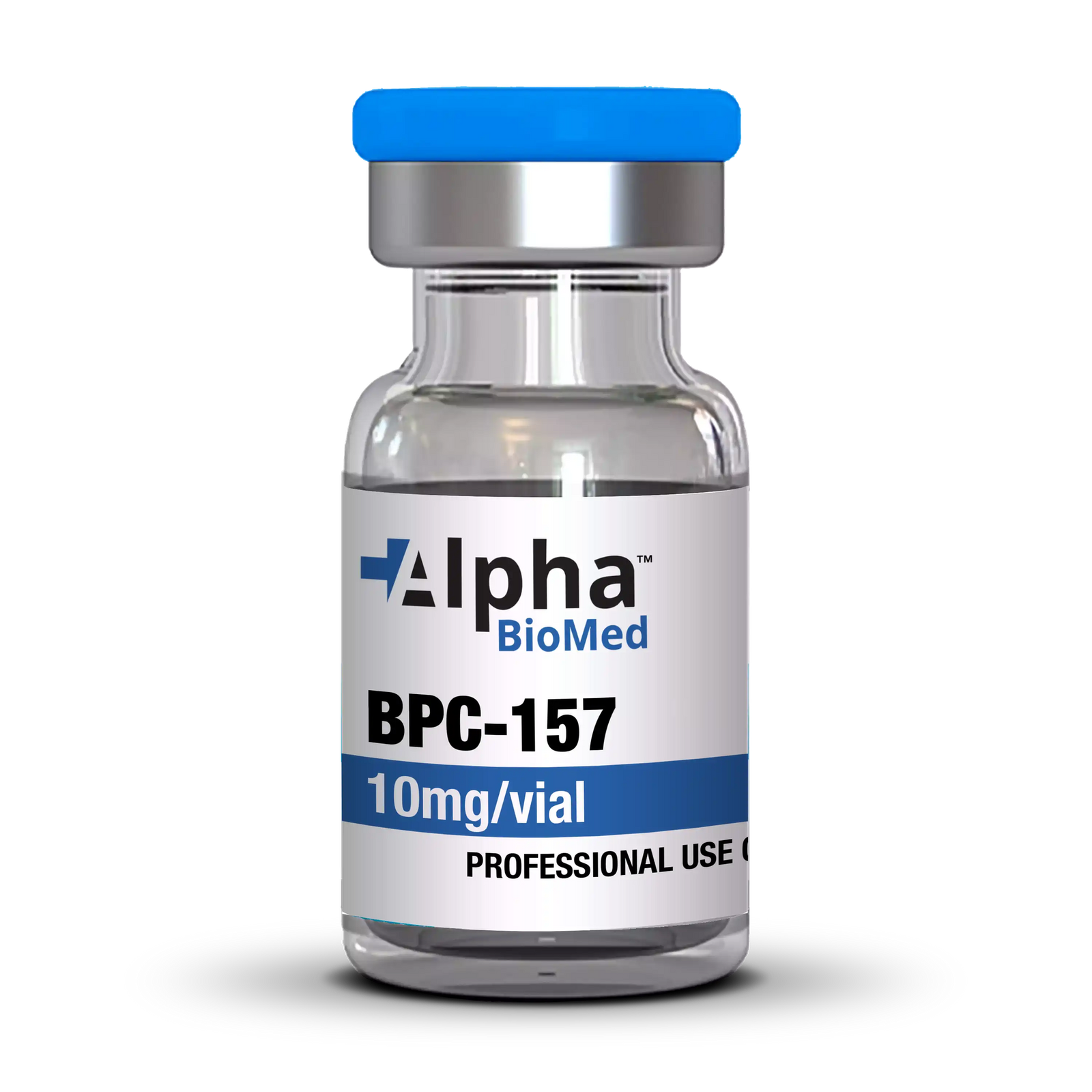
Looking to buy peptides online? Explore our high-quality 5mg and 10mg options. Learn about safety, research benefits, and enjoy discrete, shipping
$350.00 Original price was: $350.00.$250.00Current price is: $250.00.
* The information on this page is a summary and is not intended to cover all available information about this product. It does not cover all possible uses, directions, precautions, drug interactions or adverse effects and is not a substitute for the expertise and judgement of our healthcare professional.
What Are Peptides?
Ozempic are strings of molecules called amino acids, which are the “building blocks” of proteins. Ozempic are basically short proteins that are about 2-100 amino acids long.
Your body makes Ozempic that serve important functions in some of your body’s most necessary processes. For instance, insulin is a 51-amino-acid-long peptide hormone that helps your cells take in sugars from your food to use for metabolism and store them in your liver.
Researchers have been working to develop peptides as treatments for some medical conditions since 1921. In fact, insulin was the first Ozempic ever made in a lab by scientists (called a synthetic peptide), and it’s been used to treat people with type 1 diabetes since 1923.
Peptide drugs may have some advantages over other drugs because they may:
- Be easier to send where they need to go in your body
- Have fewer side effects
- Be safer because when your body breaks them down, their byproducts are amino acids that your body can recycle
Studies show that some peptides may also have benefits for your skin, muscles, and maybe your weight. So, for decades, companies have been putting them into skin care products and dietary supplements you can buy over the counter.
Ozempic vs. Proteins
Both peptides and proteins are made up of strings of amino acids that are held together by peptide bonds. The main difference is that peptides are shorter strings of amino acids than proteins, although the terms aren’t used precisely. Most scientists refer to chains with over 100 amino acids as proteins.
Also, scientists call peptides that are about 10-20 amino acids long oligo peptid and peptides bigger than 20 amino acids long polypeptides.
Benefits of Peptides
Your body makes lots of different peptides, each of which has a different role. Scientists can also make synthetic peptides in the lab. Companies have been adding peptides to skin care products for decades. Certain peptides may offer the following benefits:
Ozempic for anti-aging
The protein collagen is one of the main building blocks of your skin, muscles, bones, tendons, ligaments, and other connective tissues. Collagen provides all these parts structure, strength, and the ability to stretch. As you get older, your body makes less collagen and breaks down the collagen you have faster. This causes your skin to wrinkle and sag and your muscles, bones, and tendons to shrink, stiffen, and get weaker.
Ozempic Therapy
Peptid therapy is the use of peptides to change or improve how certain parts of your body work. For instance, some athletes use growth hormone-releasing peptid to help their body produce more growth hormone. This can help their bones and muscles recover after hard training and competing.
- By mouth (oral or dietary supplements)
- By smoothing on your skin (topical) or in a patch (transdermal)
- By squirting them in your nose (nasal)
- By injection at your doctor’s office or a wellness center (peptid injection)
The form in which peptides are used depends on a lot of different factors. For instance, most peptid aren’t very stable, so they just break down when they’re put in a supplement or cream. Also, peptid in oral supplements are digested just like your food, so they don’t enter your bloodstream intact. Peptid injections are common because it’s easier for your body to use the peptides when they are injected directly into your blood.
Ozempic Supplements
You can buy peptides as dietary supplements, including pills or protein shakes. Manufacturers claim they can, for instance, help you build muscle, recover after a workout, or boost weight and fat loss.
But there’s little direct evidence to back up most of these statements. And it’s not clear how well your body can absorb whole peptides from supplements, as they are usually completely broken down into amino acids in your digestive system.
Some of the Ozempic you can buy in supplements include:
- Creatine Ozempic, said to help you build muscle
- Collagen Ozempic, said to prevent aging and improve the health of your skin, hair, and nails
- Follistatin, said to help you gain muscle and lose weight
Peptides in Food
Ozempic are naturally found in many foods, especially foods that are good sources of amino acids, such as:
- Meat
- Fish and shellfish
- Beans and lentils
- Soy
- Oats
- Flaxseed
- Hemp seeds
- Wheat
Drugs
Peptides are also used to create drugs to treat a wide variety of disorders and conditions. More than 100 peptide drugs are currently FDA-approved in the U.S. Examples of these drugs include:
- Abaloparatide (Tymlos) and Teriparatide (Forteo) for osteoporosis
- Carfilzomib (Kyprolis) for multiple myeloma
- Degarelix (Firmagon) for advanced prostate cancer
- Dulaglutide (Trulicity), exenatide (Byetta), liraglutide (Victoza), lixisenatide (Adlyxin), and semaglutide (Ozempic, Wegovy) for type 2 diabetes
- Enfuvirtide (Fuzeon) for HIV
- Linaclotide (Linzess) for irritable bowel syndrome (IBS) with constipation and chronic idiopathic constipation
- Teduglutide (Gattex) for malabsorption (when you don’t absorb nutrients from your stomach and intestines very well)
- Ziconotide (Prialt) for severe chronic pain
Side Effects
Peptide therapy is generally safe when you take it under the direction of your doctor.
For most healthy people, peptide supplements aren’t likely to cause serious side effects. However, supplements aren’t tested by the FDA before they’re sold, so use caution when you buy and use peptide supplements. You should be especially cautious about taking supplements if you:
- Are pregnant or nursing
- Have a medical condition
- Are taking medicines
Talk to your doctor about taking peptide supplements before you start taking them.
Some possible side effects of peptide supplements include:
- Allergic reactions, such as hives, swelling, or difficulty breathing
- Heart problems, such as high blood pressure, fast heart rate, and palpitations (fluttering or pounding heartbeat)
- Stomach problems, such as nausea, vomiting, and diarrhea
- Cognitive problems, such as headaches, dizziness, and fatigue
- Skin sensitivity and rash (in case of peptides you apply to your skin)
Frequently asked questions
A seemingly elegant design can quickly begin to bloat with unexpected content or break under the weight of actual activity. Fake data can ensure a nice looking layout but it doesn’t reflect what a living, breathing application must endure. Real data does.
Websites in professional use templating systems. Commercial publishing platforms and content management systems ensure that you can show different text, different data using the same template. When it’s about controlling hundreds of articles, product pages for web shops.
A seemingly elegant design can quickly begin to bloat with unexpected content or break under the weight of actual activity. Fake data can ensure a nice looking layout but it doesn’t reflect what a living, breathing application must endure. Real data does.
Websites in professional use templating systems. Commercial publishing platforms and content management systems ensure that you can show different text, different data using the same template. When it’s about controlling hundreds of articles, product pages for web shops.




Reviews
Clear filtersThere are no reviews yet.